Hello all! How's your week going? For those of you about to start finals, I wish you the best of luck. If you're swamped with homework, hang in there - the end of the semester is in sight!
(On a non-mythological note...Star Wars. Less than two weeks. AAAHHHH!)
I've got two stories left that I want to tell about Maui. Next week's will be one of the more interesting posts I've done. For this week, however, I want to talk about fire. There's a lot of variations on the story of how Maui stole fire, so I'll do a post about one story and then link you to another.
Having already raised the Polynesian islands and tamed the sun, one might think that Maui had done enough for humanity. But no! The hero was not yet done. He wanted to be of more help to mankind. So Maui decided that he was going to set out to steal fire, so that humans could warm themselves by its flames, cook their food, and have light even at night.
(Sound familiar? The Greek Titan Prometheus stole fire and distributed it to mankind.)
Maui went to visit Mahuika, the goddess of fire. He asked her to send some fire with him so that he could light the villages of man. Mahuika obligingly plucked out one of her fingernails - which was an ember - and gave it to Maui.
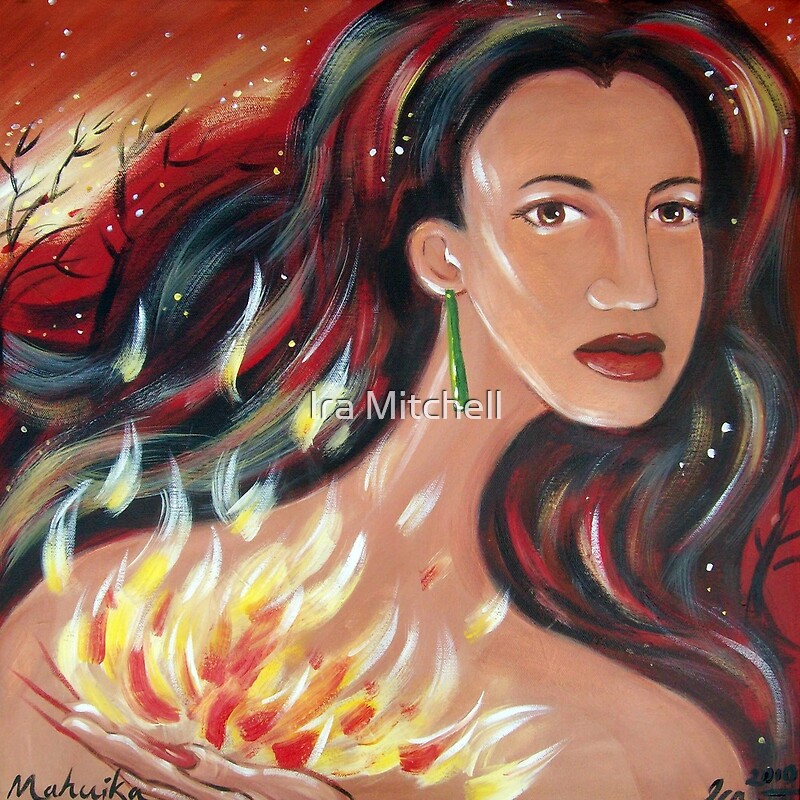
Remember that Maui is a trickster? He didn't just take the fire back to humans and call his trip a success. No, he had to figure out some way to trick Mahuika. So Maui left the cave she called home, and, as soon as he was out of sight, extinguished the nail she had given him. The demigod then reentered Mahuika's home and asked for more fire, since the last one had gone out.
Mahuika suspected nothing, and gave him another of her fingernails. This continued until she eventually had only one left. By now the goddess knew that she was being pranked, and she wasn't happy. She threw the last fingernail at Maui, but it caught on some dried wood and created a massive flame.
The demigod was able to escape, but Maui had learned the secret of fire. He returned to mankind and was able to teach them how to create flames of their own using dried wood.
That's the story I learned for how Maui found fire. If you want to read another, here's a link! In it, Maui is even more of a trickster - mankind already had fire, but he wanted to know where the flames came from, so he extinguished all of them to find out.
Interestingly enough, a couple of the Polynesian tribes in New Zealand have a variant on this story where Mahuika is actually Mahu-ika, and is a male giant. In their stories Maui wrestles the giant and eventually breaks his neck, then beheads him to take a spark of flame (which sets the world on fire, endangering everyone until the gods step in to save the day).
I find the way Mahuika's home is described fascinating, because it sounds to me like she lives inside a mountain. Though I've only ever heard her called the goddess of fires, I wonder if she's associated with volcanoes as well. The small sparks of flame (her fingernails) culminating in a huge woodland fire sound like a volcano spitting lava.
What do you guys think?
I'll be back next week with my final (and hilarious!) story about Maui. See you then!
Showing posts with label Fire. Show all posts
Monday, December 5, 2016
Sunday, August 14, 2016
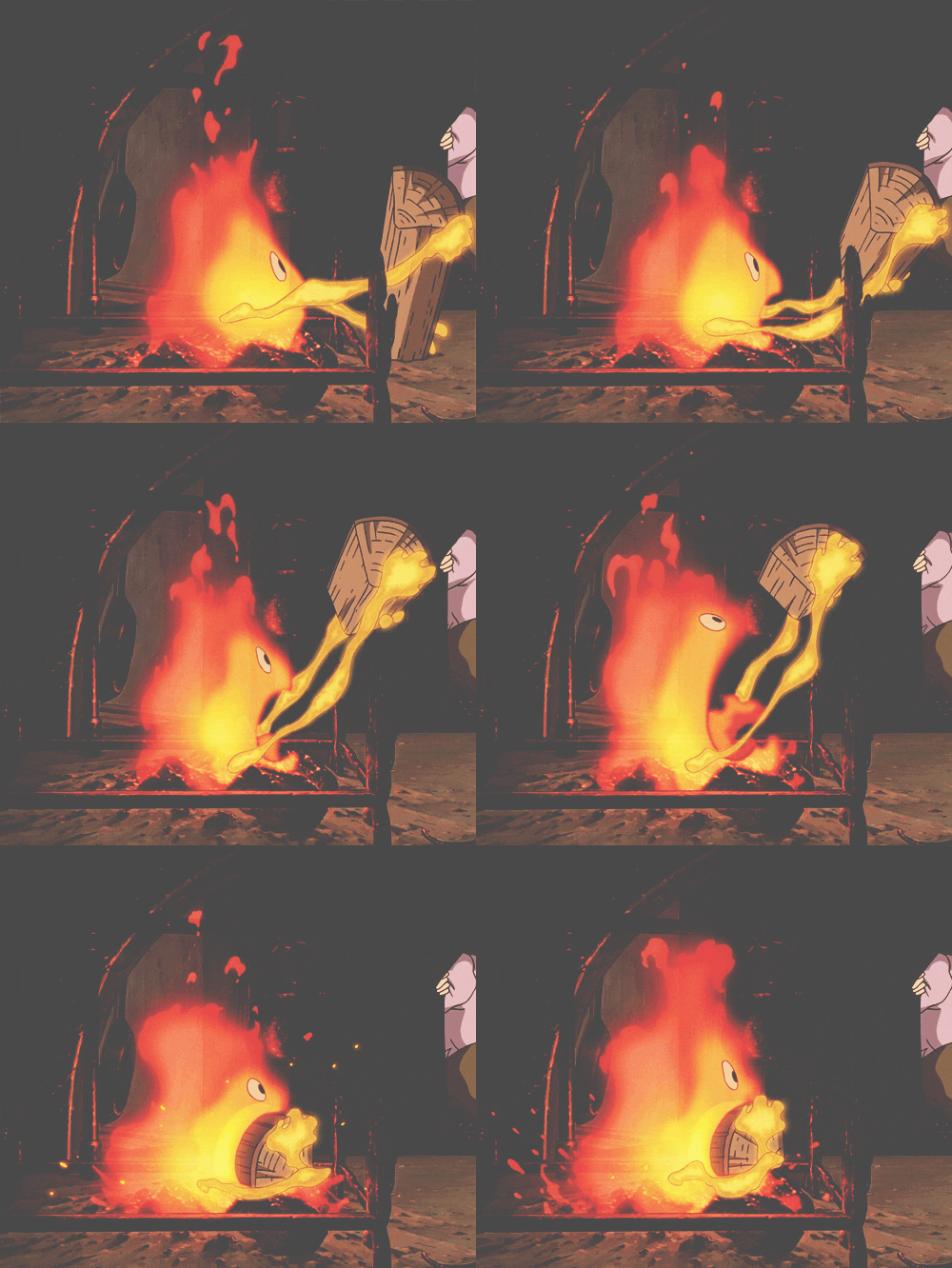
Fire: Cooking and Carnage
I have a book which contains many, many stories about the origins of fire. These stories come from countries all over the world, and it's fascinating to me to read them and see all of the similarities and differences within them. The book contains stories from more than a dozen tribes and cultures in Africa, and all of them are unique.
This particular story comes from two different books that I have. I'm not sure which tribe it can be credited to, but it is my favorite story about fire from African folktales.
The story goes that there was once a time where mankind had no fire. They had nothing to provide light at night; no way to warm themselves against the chill; no manner in which to cook their food. (Think about it! No juicy, medium steak - no baked potatoes!) It was a dark, cold, and flavorless time.
One day, a hunter was out in the wilderness when he saw a gray cloud rising from the ground ahead. Having never seen anything like it, the man went to take a look. It took him a long time to get there, because the cloud's origin lay beyond the horizon. Night fell as he journeyed, but to his surprise a bright light shone up ahead, allowing him to continue his travels. At last he reached his destination.
He had been following smoke, and what was emitting it was a warm light which flickered and danced.
The hunter guessed that the light was a great chieftain, and he bowed before it with respect. The light introduced itself as fire. It offered the man warmth and a place to stay the night, in exchange for his feeding it some of the branches and grass which lay nearby. The man readily agreed.
Food was also provided for him. An animal had been gazing spellbound at the dancing flames. The man was able to take it unawares. When he had killed it, the fire told him that he should cook the meat. The hunter had no idea what the flames meant, but listened and did as he was told. He soon discovered that roasted meat tasted far better than raw.
An idea came to the man. He asked the fire if he could take it with him back to his village. He promised to keep it well-fed in exchange for its warmth, light, and cooking capabilities.
But the fire refused. It argued that if it traveled it would bring great danger to the land and to all living things. The flames made the man promise that he would never tell another living soul about its existence.
The man promised, and the next day he returned home.
He kept his word, not even telling his wife about the fire. Unfortunately, his wife was a curious sort. When her husband gave her some cooked meat he had brought with him she immediately wanted to know where it had come from. He never told her the source, but her curiosity did not die away.
The man returned frequently to visit the fire, and on one such visit the wife sent a neighbor to follow him. The second man found the hunter sleeping in front of the fire. Astonished, he seized a log from the flames and ran back to the village to show the wondrous thing he had found.
As he ran, the fire's dire prophecy began to come true. Sparks fell from the flickering log, landing in the savannah. Small fires sprang to life and grew. The flames ate at the log and eventually licked down far enough to burn the second man's hand. He screamed in pain and dropped the fire, which caught on the ground below.
(I'm picturing the scene in the Jungle Book - and with good reason! That story drew heavily upon African folktales.)
The raging wildfire grew and spread, destroying several villages. At last it reached the banks of a river and was stopped. The fires died away...but they left destruction in their wake.
The villagers had survived by wading across the river. They returned to find their homes destroyed. However, the fire had left some good in its wake - some food left sitting out had been cooked, greatly improving its flavor. Clay pots had hardened and become much more durable. Despite its deadly nature, there was usefulness in the flames.
The hunter escaped unscathed, safe by his resting place near the fire. It explained to him what had happened. Fire had now been brought to man. It listed its many uses to the hunter, and explained that it would serve mankind well and faithfully. However, the flames also warned that they must be treated with respect...or else they would destroy.
Some cultures in Africa tell a similar story, but the wildfire started by a wild dog who, a stick tied to its tail caught on fire.
It's a story that I think demonstrates the danger of fire left unattended or used recklessly. Given that it was likely told to children beginning at an early age, the warning is intentional. I live in Arizona, and while Tucson rarely gets terrible fires we have had several in nearby areas. The dangers of even a single flame in the dry desert are great. I can't imagine how terrible they must be on the plains and savannahs of Africa.
What did you guys think of the story?
Subscribe to:
Posts (Atom)